VILÁGGAZDASÁG Network

Mozilla Firefox alatt kezdőlapnak

×

Mozilla Firefox böngésző alatt, úgy tudja a VG.hu-t kezdőlapnak állítani, hogy az egér bal gombját nyomva tartva a címsor mellett levő VG ikont ráhúzza a kis házikó ikonnal jelölt kezdőlap gombra.

Belépés

×


Elfelejtett jelszó »

VÉLEMÉNY / THE ECONOMISTS

Cross-Border Banking in the Balance

2011. 11. 22. 13:42|Vélemény » The Economists
The gravity of the eurozone crisis has finally sunk in. The stakes could not be higher. Governments and international financial institutions have scrambled to put together a solution within exceedingly tight political and economic constraints. Many questions have yet to be answered about the design; implementation will be at least as challenging.

Mik ezek?

×

A sorban látható gombokkal a webes közösségi hálózatokon - iWiW, Facebook - fejezheted ki egy kattintással tetszésedet vagy
oszthatod meg a cikkel kapcsolatos véleményedet ismerőseiddel.

"Tetszik" / "Like" gomb. Ezzel a gombbal a Facebookon fejezheted ki tetszésedet a cikkel kapcsolatban - üzenőfaladon
egyszerűen csak annyi jelenik meg, hogy kedveled ezt a cikket. Ha most éppen be vagy jelentkezve a Facebookra, akkor azt is
látod, hogy ismerőseid közül valakinek tetszett-e már ez az írás. Ha nem vagy bejelentkezve, a gomb megnyomása után ezt
egyszerűen megteheted. (Ez a gomb tényleg csak egy szimpla tetszésnyilvánítás - ha a cikkel kapcsolatban egyből véleményt is
megosztanál, akkor használd a cikk alatti szürke hátterű sorban található "Facebook" feliratot.)

"Megosztás az iWiW-en" gomb. Ezzel a gombbal a legnépszerűbb magyar közösségi oldalon, az iWiW-en tudsz tartalmat
megosztani. A felugró ablakban beírhatod véleményedet is, és ha épp nem vagy bejelentkezve, egyben azt is megteheted.

Eurozone leaders must now aim to preserve not only the single currency, but also the gains from financial integration in Europe. No region of the world has benefited more from cross-border banking, yet these achievements are now at risk – and with them the European bank groups themselves.

A cikk a hirdetés után folytatódik
The threat to cross-border banks comes not only from their deteriorating balance sheets in the face of lower sovereign-debt quality and weaker growth prospects, but also from the policy response itself. The fact that Europe’s banks need massive amounts of new capital is by now generally accepted. Yet, despite valiant attempts by the new European Banking Authority to mandate and coordinate the measures that are needed, a European solution must take account of the network of foreign subsidiaries across Europe.

Mobilizing support for European banks will be hard; extending it to subsidiaries will be even harder. But, unlike the ill-advised exposure to sovereign debt across Europe, cross-border banking through foreign subsidiaries has been beneficial for investors, and for home and host countries alike – nowhere more so than in emerging Central and Eastern Europe, still the most important export market for the eurozone.

For core eurozone banks, this has been a region of extraordinary returns, and it is now integral to their operations. In emerging Europe, foreign subsidiaries have helped to build financial systems that are less prone to instability, and have helped economies to converge more rapidly with average European income levels.

When the global crisis erupted in 2008, there was no regulatory framework to protect the cross-border networks, and large vulnerabilities, in the form of excessive leverage and foreign exchange, were exposed. Much has been achieved since then: balance sheets have been strengthened and funding models adjusted. Along with institutional reforms at the European level – particularly the creation of the European Systemic Risk Board and the European Banking Authority – regulation and supervision have been reinforced in subsidiaries’ host countries.

Some of this might make finance more costly, but it will also make banking operations less risky. On balance, this is a good thing.

Even so, the threat to financial stability is possibly even graver today than it was in 2008, as the capacity of Western European governments to backstop banking systems is clearly reaching its limits. Allowing foreign banks’ subsidiaries to become orphaned amid a worsening crisis in home countries would undermine confidence in emerging Europe’s financial systems, which could trigger asset-price declines and precipitous contractions in credit. Ultimately, this would boomerang back on Western European banks, given their deep financial and real linkages with the region.

In 2008, such a catastrophic scenario was narrowly avoided, owing to policy intervention, including the coordination effort under the so-called Vienna Initiative (in which the European Bank for Reconstruction and Development, among others, was involved). A new pact to secure the achievements of financial integration is now urgently needed. Authorities from these banks’ home and host countries must sit down together.

As with the Vienna Initiative, a “Vienna 2.0” would require commitments by all concerned parties. In responding to the higher capital requirements imposed by authorities, and choosing whether to raise more capital or sell off assets, the banks must take into account the important role that their subsidiaries play in many countries. For many banks, this happens naturally – their subsidiaries, as important value creators, are critical to their business models. For some, however, the subsidiaries are smaller relative to the parents’ size – and thus less central to their strategies.

Home countries must also contribute. Within the eurozone, any recapitalization, guarantees, and other funds offered to parent banks should be made available to subsidiaries in equal measure. Any restructuring requested in return for capital support should take into account the cross-border nature of the groups and not discriminate against subsidiaries abroad.

Subsidiaries’ host countries, for their part, must reassure parent banks that financial regulation will remain predictable. Some of the recent abrupt – and at times overly ambitious – measures to tax the industry or redistribute the burden of foreign-currency loans have undermined capital cushions and set back recovery in credit and growth.

All of this requires coordination. The European Banking Authority has a chance to establish itself. It must ensure that national interests do not undermine the integrity of the cross-border bank groups. Ultimately, we need a Europe-wide deposit insurance and bank-resolution authority that can take over and restructure failed banks.

Just as the eurozone has fostered financial development and economic growth among its members, the current crisis now risks inflicting severe collateral damage far beyond its borders. Any sustainable solution to the crisis must ensure the integrity of the bank groups and respect the interests of these banks’ home and host countries. Ultimately, it is cross-border banking that is in the balance.
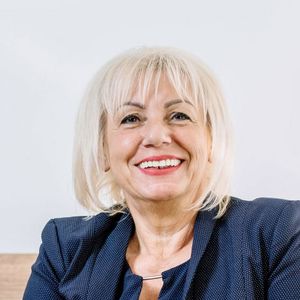

Szerző: Erik Berglof is Chief Economist, European Bank of Reconstruction and Development

Tetszett a cikk? Ossza meg!
 iWiW 

A cikk küldése e-mailben

×
Cikk címe:
Cross-Border Banking in the Balance
Biztonsági kód
A fenti képen látható ellenőrzőkód:

Mehet

A *-al jelzett mezők kitöltése kötelező!

HOZZÁSZÓLÁSOK

Tisztelt Látogatónk!


Ha hozzá kíván szólni cikkeinkhez és még nem regisztrálta magát, ide kattintva megteheti.

Adatai megadása után a belépéshez szükséges jelszavát emailben küldjük el Önnek.


HOZZÁSZÓLOK A CIKKHEZ

A hozzászólás mező nem fogad be HTML kódot, a sortöréseket automatikusan törli.
A képen látható ellenőrzőkód:
captcha
MEHET

Hozzászólásával együtt IP címe is rögzítésre kerül.

Részletes moderálási szabályzatunkat itt olvashatja.

BUX (zárva)

2012. május 24. 17:06
16 327,49
0.6%
A BÉT információi alapján az adatokat a Magyar Vendor szolgáltatja.
15 perccel késleltetett adatok!
  • Képgalériák
  • Videogalériák
  • Repülőtér, 1-es terminál. Még van forgalom május 30-ig. - Fotó: Darnay Katalin

  • Parlamenti ülésnap - Fotó: Darnay Katalin

  • HBLF pénzügyi csúcstalálkozó - Fotó: Kallus György

  • A világon egyedülálló véna alapú beléptetési rendszer bemutatása - Fotó: Darnay Katalin

  • Országgyűlési nap, Balog Zoltán emberi erőforrás miniszter esküt tesz - Fotó: Darnay

Előző
Következő
  • Magyar a világ két legjobb bárja

    Magyar a világ két legjobb bárja

  • Bóvliba vágtak minket - vox pop

    Bóvliba vágtak minket - vox pop

  • Mi bosszant minket a kgfb kampányban?

    Mi bosszant minket a kgfb kampányban?

  • MABISZ konferencia

    MABISZ konferencia

  • Mit gondolunk a végtörlesztésről?

    Mit gondolunk a végtörlesztésről?

  • Szemüveg nélküli 3D képernyő táblákhoz

    Szemüveg nélküli 3D képernyő táblákhoz

Előző
Következő

Állásajánlatok

Coaching? Nekem? Minek? Dara Péter
ügyvezető igazgató
DEVISE Hungary
Év elején egy országos kutatásomban 835 vezérigazgató, ügyvezető igazgató, cégtulajdonos, gazdasági vezető és HR vezető közül közel négyszáz úgy nyilatkozott, hogy a menedzsment fejlesztésére is szükség van cégüknél az idei évben a hatékonyságnövelés érdekében. A felmérés kitöltői között kisorsolt öt alkalmas vezetői coachingot azonban mindössze 197-en szerették volna megnyerni. További írások itt találhatóak »
Nemzeti fejlesztési vágta Essősy Zsombor
vezérigazgató
MAPI Magyar Fejlesztési Iroda Zrt.
Homályos még, hogy a fejlesztés majdani irányait meghatározó tervek kinek az irányításával – NGM, NFM, KIM, NFÜ – készülnek el. Meggyőződésem, hogy (a korábbi versenylovas hasonlatnál maradva) jóval gyorsabban haladnánk előre, ha a négyből három zsoké sürgősen leszállna a nyeregből. További írások itt találhatóak »
Búcsúüzenet Oszkó Péter
ügyvezető igazgató
Portfolion
Úgy hiszem, semmi meglepő nincs abban, hogy a kormány nyilvánvaló gazdaságpolitikai kudarcai, az év végére újra beszakadó forintárfolyam, az állampapírok iránti kereslet elapadása miatt egyre kétségesebb finanszírozhatóság, a tönkretett növekedési pálya és a megrongált foglalkoztatási viszonyok tudatában évzáró aktusként újra előráncigálta Budai Gyulát. További írások itt találhatóak »
Jogszerű a hamburgeradó Bánki Orsolya
ügyvéd
ENWC
2011. szeptember 1-jétől ún. „népegészségügyi termékadó” terhel egyes üdítőitalokat, energiaitalokat, „előrecsomagolt cukrozott készítményeket”, sós snackeket és ételízesítőket. Az új adónem érezhetően drágítja majd a felsorolt élelmiszereket, emellett pedig számos jogi kérdést is felvet. További írások itt találhatóak »
Barcelonából jöttem… Mózes István
ügyvezető partner
ClientFirst Consulting Kft.
Idén szerencsém volt három kollégámmal együtt ellátogatni Barcelonába, a 12. MSPA (Mystery Shopping Providers Assosiation) Konferenciára. 42 ország közel 200 képviselője tette tiszteletét a találkozón, ahol a legfőbb téma természetesen a vevőkiszolgálás fejlesztése volt. További írások itt találhatóak »

Ingatlankereső